
Compared with the traditional Petrol Car painting process, the electrostatic spraying process (electrostatic spraying of plastics) has obvious advantages. There is no thinner, the construction does not pollute the environment, and is non-toxic to the human body. The coating has excellent appearance quality, strong adhesion, and strong mechanical strength. , the spray curing time is short, the coating has high corrosion resistance, no primer, simple construction, low technical requirements for workers, and the cost is lower than the Geely Car spray painting process. Some construction sites clearly propose the electrostatic spraying process; there will be no common occurrences during the electrostatic spraying process. flow phenomenon.
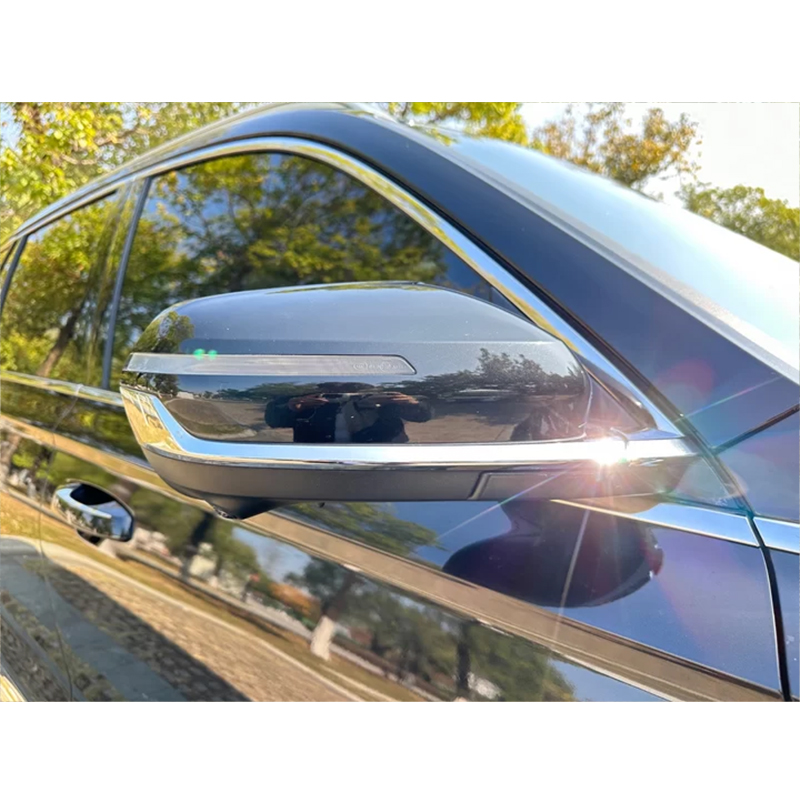
The process principle of electrostatic spraying plastic is to charge plastic powder through high-voltage electrostatic equipment, and evenly adsorb it on the surface of the workpiece under the action of the electric field. Then, after high-temperature baking, the plastic particles melt into a dense protective layer and firmly adhere to the surface of the workpiece.
The electrostatic spraying of powder coating is called the principle of spraying plastic: the corona discharge phenomenon is used to adsorb the powder coating to the workpiece. The process is as follows: the powder coating enters the spray through compressed air from the powder supply system, and the high voltage generated by the high-voltage electrostatic generator is added to the front end of the spray gun. Due to corona discharge, a dense charge is generated nearby. When the powder is ejected from the muzzle, charged paint particles are formed. It is affected by static electricity and is attracted to workpieces with opposite polarity to it. As more powder is sprayed, more charge accumulates. When it reaches a certain thickness, it will not continue to be adsorbed due to electrostatic repulsion, so that the entire workpiece obtains a certain thickness of powder coating, and then the powder is melted by heat and solidified flatly, that is, a hard coating is formed on the surface of the workpiece.
(1) Surface pretreatment. Mainly degreasing and rust removal, the method is the same as liquid paint pretreatment.
(2) Scrape putty. Apply conductive putty according to the degree of defects of the workpiece, smooth it with sandpaper after drying, and then the next process can be carried out.
(3) Protection (also called shielding). If some parts on the workpiece do not require coating, they can be covered with protective glue before preheating to avoid spray paint.
(4) Preheat. Generally no preheating is required. If a thicker coating is required, the workpiece can be preheated to 180~20℃ to increase the coating thickness.
(5) Spraying. Under a high-voltage electrostatic field, the powder gun is connected to the negative electrode and the workpiece is connected to the ground (positive electrode) to form a circuit. With the help of compressed air, the powder is sprayed onto the workpiece through a jet, which has a negative charge.
(6) Curing. The sprayed workpiece is sent to a drying room at 180~200℃ for heating to solidify the powder.
(7) Cleaning. After the coating has cured, remove the protector and smooth out the burrs.
(8) Inspection. Check the coating of the workpiece. If there are defects such as leakage, bruises, needle bubbles, etc., it should be reworked and re-sprayed.
(9) Defect handling. Repair or re-spray workpieces with defects such as leakage, pinholes, bruises, bubbles, etc.
The electrostatic spraying of powder coating is called the principle of spraying plastic: the corona discharge phenomenon is used to adsorb the powder coating to the workpiece. The process is as follows: the powder coating enters the spray through compressed air from the powder supply system, and the high voltage generated by the high-voltage electrostatic generator is added to the front end of the spray gun. Due to corona discharge, a dense charge is generated nearby. When the powder is ejected from the muzzle, charged paint particles are formed. It is affected by static electricity and is attracted to workpieces with opposite polarity to it. As more powder is sprayed, more charge accumulates. When it reaches a certain thickness, it will not continue to be adsorbed due to electrostatic repulsion, so that the entire workpiece obtains a certain thickness of powder coating, and then the powder is melted by heat and solidified flatly, that is, a hard coating is formed on the surface of the workpiece.
(1) Surface pretreatment. Mainly degreasing and rust removal, the method is the same as liquid paint pretreatment.
(2) Scrape putty. Apply conductive putty according to the degree of defects of the workpiece, smooth it with sandpaper after drying, and then the next process can be carried out.
(3) Protection (also called shielding). If some parts on the workpiece do not require coating, they can be covered with protective glue before preheating to avoid spray paint.
(4) Preheat. Generally no preheating is required. If a thicker coating is required, the workpiece can be preheated to 180~20℃ to increase the coating thickness.
(5) Spraying. Under a high-voltage electrostatic field, the powder gun is connected to the negative electrode and the workpiece is connected to the ground (positive electrode) to form a circuit. With the help of compressed air, the powder is sprayed onto the workpiece through a jet, which has a negative charge.
(6) Curing. The sprayed workpiece is sent to a drying room at 180~200℃ for heating to solidify the powder.
(7) Cleaning. After the coating has cured, remove the protector and smooth out the burrs.
(8) Inspection. Check the coating of the workpiece. If there are defects such as leakage, bruises, needle bubbles, etc., it should be reworked and re-sprayed.
(9) Defect handling. Repair or re-spray workpieces with defects such as leakage, pinholes, bruises, bubbles, etc.