
Due to people's lack of understanding of the role of Honda Car parts cleaning, Honda Car parts are not thoroughly cleaned, which affects the assembly quality. Therefore, after completion, failures occur frequently, Honda Car parts wear out, service life is reduced, and even traffic accidents occur. Therefore, Honda Car parts cleaning should attract the attention of maintenance personnel.
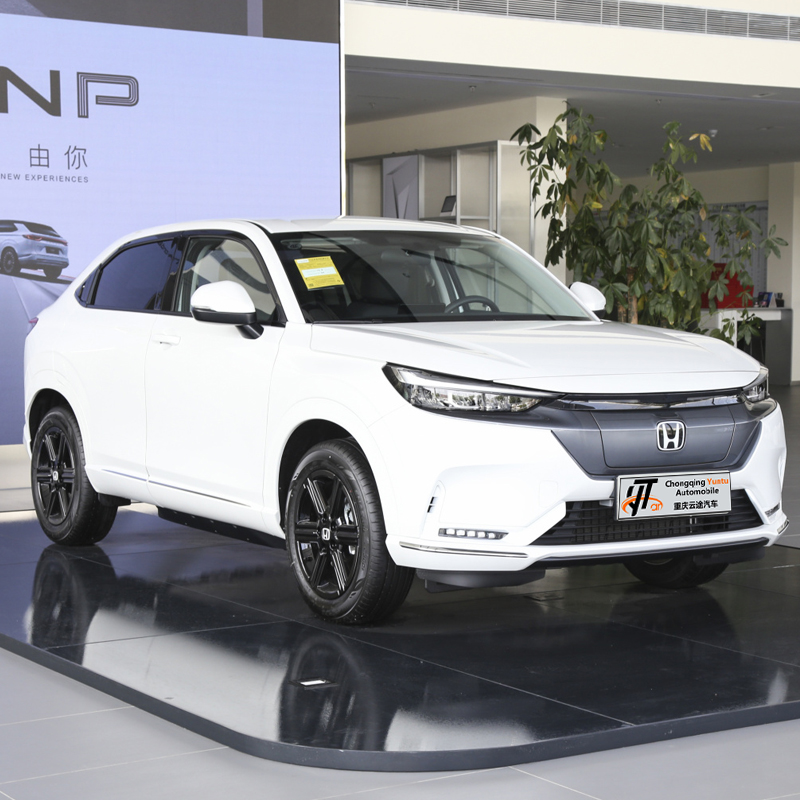
The cleaning methods for Petrol Car parts are divided into cleaning, steam cleaning, solvent cleaning and chemical cleaning. Dirt on Honda Car parts includes: external deposits and residues of lubricating materials. Because the nature and characteristics of these dirt are different, they often have high adhesion, and the difficulty and methods of removing them from the surface are also different. However, the following requirements should be met after cleaning:
1. Use kerosene and diesel as cleaning agents, put the Honda Car parts into the screen, clean them with a wire brush, and leak the sludge sediment into the bottom of the tank through the screen; after cleaning the Honda Car parts, cool and dry them or dry them with compressed air.
Steam cleaning: The basic parts of Petrol Car such as cylinder block, gearbox, main reducer, etc. have a lot of oil and heavy dirt. Steam cleaning has high efficiency and good cleaning quality.
4. Chemical cleaning: Use acid and alkali chemical products as cleaning fluid for cleaning. It has a good effect on removing rust spots and scale, but it is highly corrosive and should not be used on non-ferrous metals and non-metallic products.
5. Solution circulation cleaning: For example, the oil scale in the engine lubricating oil channel and the scale in the cooling system water channel are often cleaned by the solution circulation method. Through the action of acid or alkali, the dirt is changed from insoluble substances to dissolved substances, and then washed away with water.
6. Cleaning of carbon deposits: The components of carbon deposits are very complex, and most of them are non-volatile components, such as asphaltene, tar, etc. The higher the engine operating temperature, the higher the content of non-volatile components, and the resulting coke layer will The harder it is, the stronger the bond with the metal. It is usually removed using mechanical methods or chemical solutions to soften and dissolve it.
Note during cleaning: rubber, bakelite, plastic, aluminum alloy, oil seals, brake friction plates and clutch plates cannot be cleaned with alkaline solutions; Honda Car parts such as oil-containing powder metallurgy bearings and hydraulic brake pump cups cannot be soaked Clean in solutions that may cause deterioration.